Running, community and building a brand from the inside
From the inside
I didn’t come to Reach the Beach through a brief or a role description, I came to it through running.
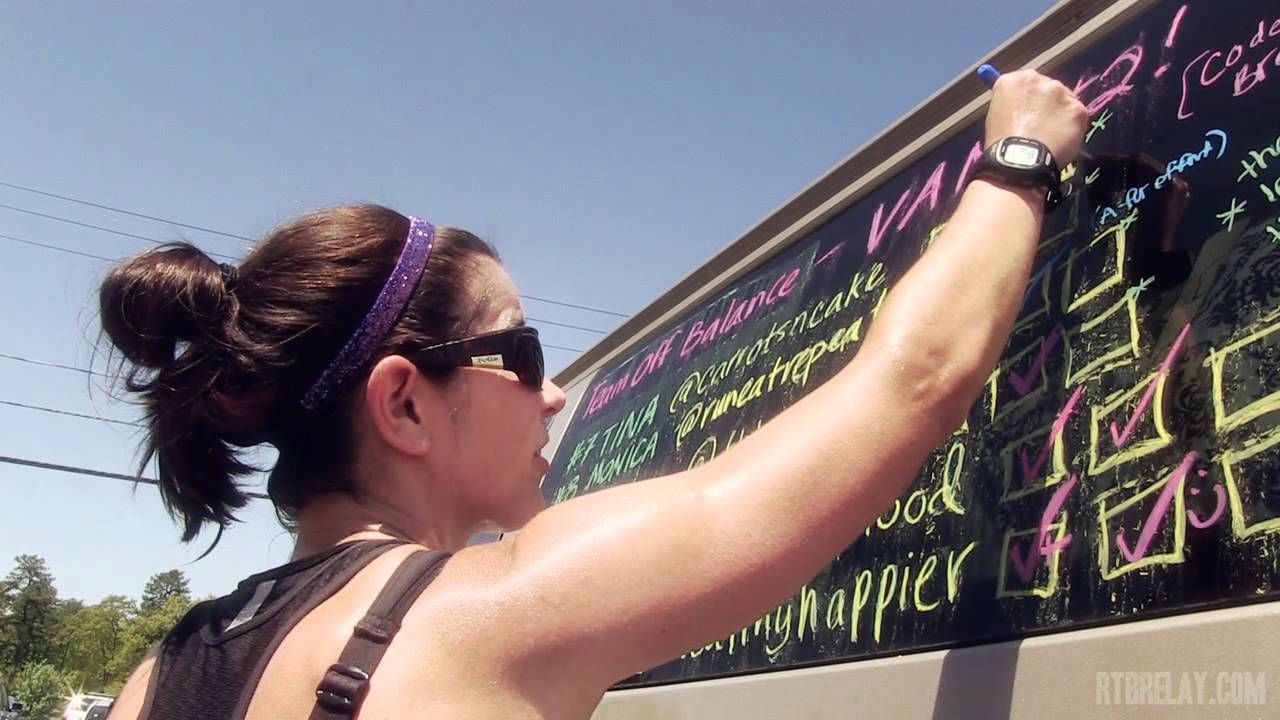
In 2008 I ran my first marathon and, like most people, joined a local running club to get through the training, although what stayed with me far more than the race itself was the sense of community that came with it. That group introduced me to Reach the Beach, at the time one of the largest relay races in New England, a slightly chaotic, brilliantly social format where teams ran across the state in stages, day and night, sharing vans, stories and very little sleep.
I ran it once, then again, and somewhere between those races and a string of marathons over the following years, I found myself properly embedded in that world, building friendships and getting a feel for what made the event work beyond the logistics. You begin to understand what people talk about, what they care about, and what makes something worth coming back to.
Stepping into the work
At some point, those worlds started to overlap.
Through the community I was introduced to the two founders behind Reach the Beach, both holding full-time jobs while running the business on the side, and knowing my background in marketing and communications they asked if I’d consider helping them as a part-time Marketing Director. I said yes, and suddenly found myself on the other side of something I had previously only experienced as a participant.
What followed was a role that sat somewhere between strategy and execution, shaping how the event showed up while delivering the work needed to make it happen. Reach the Beach already had a strong following, but like many founder-led businesses it had grown organically rather than deliberately, so the opportunity was less about reinvention and more about bringing clarity and consistency to the brand without losing the personality that made it work in the first place.
That meant working across everything, managing the website and its content, running social channels at a time when they were becoming central to discovery, designing marketing materials, sitting in sponsor meetings with New Balance, and helping shape how the experience translated from the road into something people could understand before they arrived. It was hands-on, but it was also about establishing a clearer through-line between the event and how it was communicated.
Launching and growing
Alongside the flagship New Hampshire relay, the team was also looking to expand into Massachusetts, which introduced a different kind of challenge, less about maintaining momentum and more about creating it from scratch. One of the questions we kept returning to was how to broaden the audience, particularly how to make the event feel more accessible and appealing to female runners without forcing it or turning it into something it wasn’t.
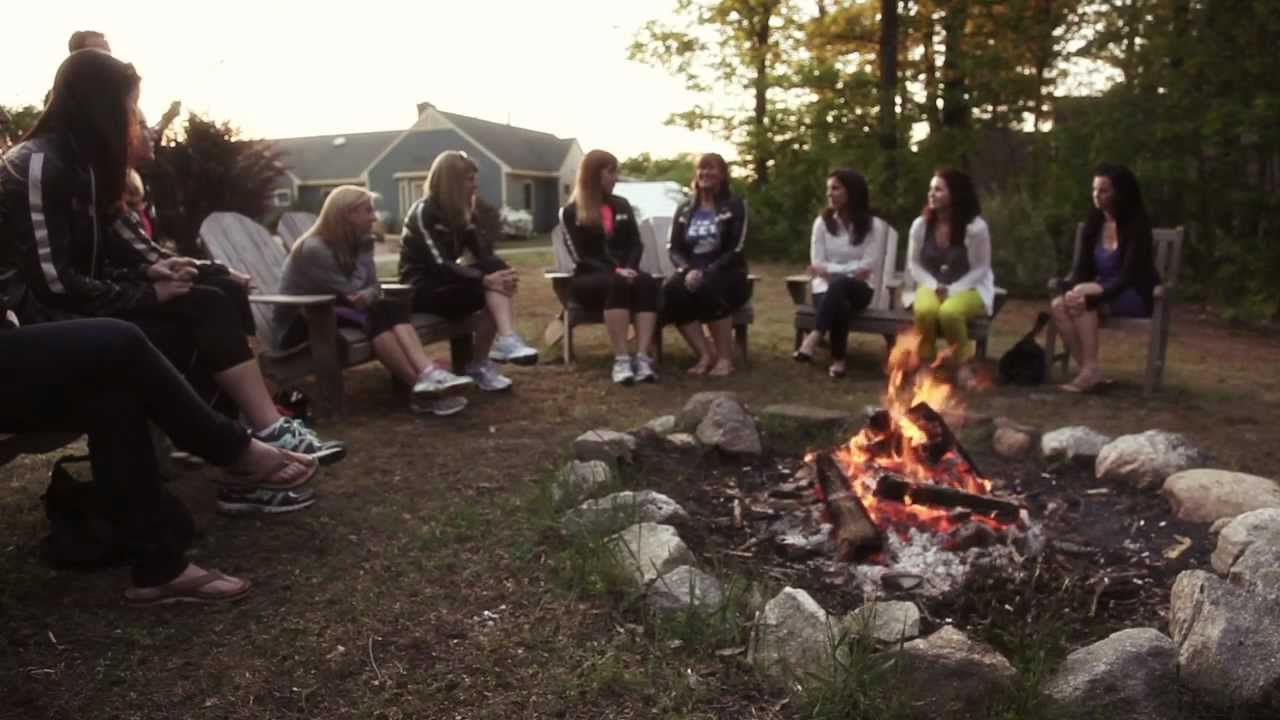
The approach was to work with communities that already existed online, rather than relying on traditional advertising to build attention from scratch. My wife, who followed a number of lifestyle and fitness bloggers at the time, suggested a group of women whose voices felt authentic and grounded in everyday running, and that became the starting point.
We invited them into the experience, offering a free team and kit in exchange for documenting the journey in their own voice. It was a simple shift, but an important one, moving from promotion to participation, and from brand messaging to lived experience. What followed was a series of video blogs and posts that felt personal, unpolished and entirely authentic, and as a result far more persuasive than anything we could have produced ourselves.
It was also, in hindsight, an early move away from broadcast-style promotion and towards what would later become influencer-led marketing, placing the story in the hands of people already trusted by their audience rather than trying to impose it from the outside.
The result was strong early momentum for the Massachusetts launch and a broader, more balanced audience from the outset, achieved not through scale of spend but through relevance and authenticity.
What it became
I was doing all of this alongside my role at myGlu, which meant evenings, weekends and a fair amount of switching between very different contexts, from building trust in a health platform to building momentum around a relay race, although in hindsight the two were not as far apart as they might seem. Both required clarity, consistency and an understanding of what motivates people, just expressed in very different ways.
A year or so later, Reach the Beach was acquired by Ragnar Relay, a much larger and more established player in the space, which was a clear signal that what had been built, often part-time and organically, had reached a level of scale and value that attracted a much bigger platform.
What it reinforced
Looking back, that period sits slightly to the side of the more obvious milestones in my career, but it shaped more than it might appear at first glance. It reinforced the importance of community in building a brand, the value of authenticity over polish, and the idea that some of the most effective marketing doesn’t feel like marketing at all, while also reminding me that good work often happens in the spaces between roles, when you bring one set of skills into a completely different context.
And perhaps most importantly, it showed that when you are already part of something, you see it differently. You understand what matters to people, what they talk about, what they care about, and that perspective is almost impossible to replicate from the outside.