Behind this site is a team you won’t find on LinkedIn
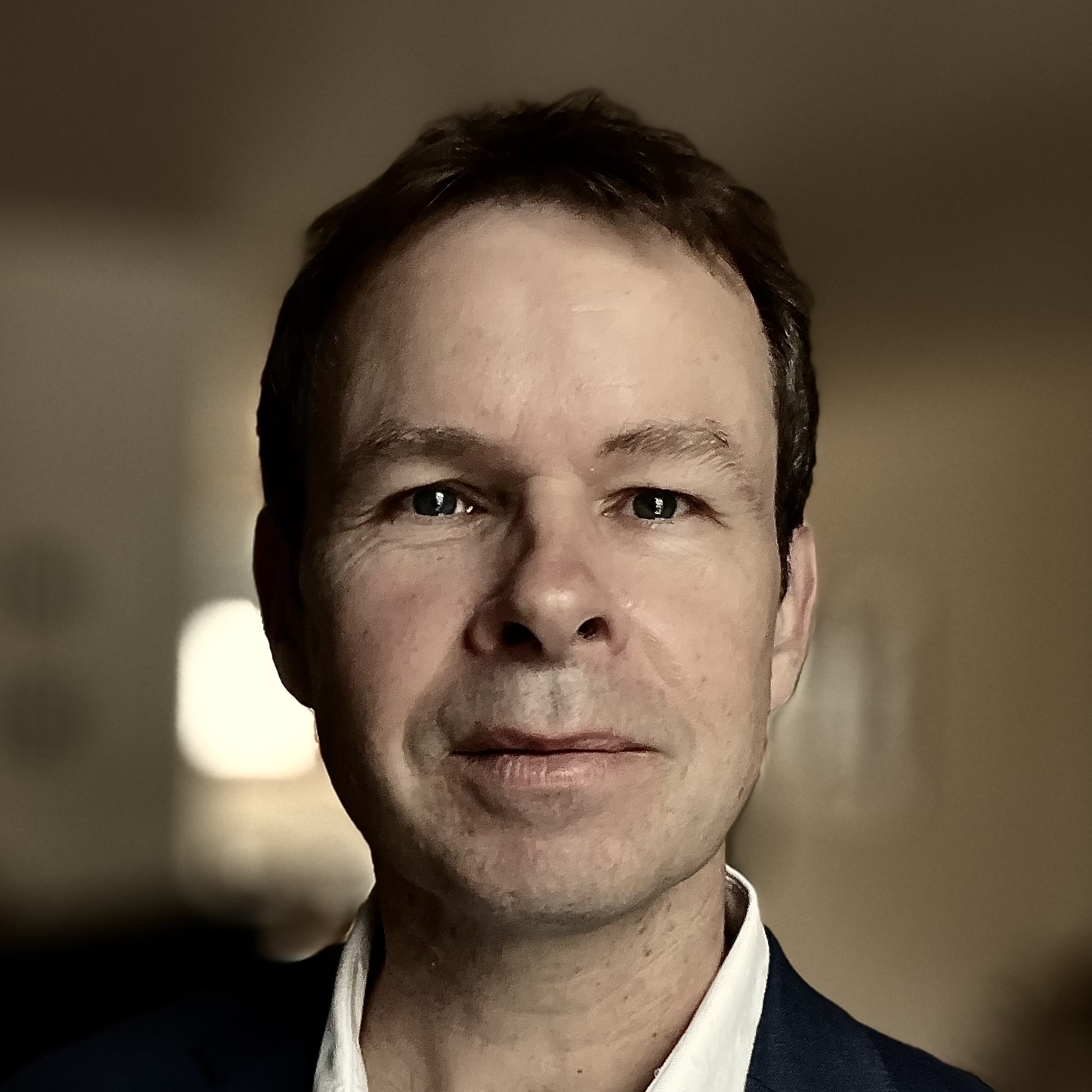


This site is run by a team of six. Only one of us is human.
A great boss at Bain & Company once said something to me that stayed with me far longer than most professional advice ever does: “My title may not be Social Media Marketing Manager, but I know enough to be dangerous.” What he meant wasn’t that he wandered into things recklessly, but that he stayed curious about disciplines that weren’t formally his. He made a point of knowing enough to be involved rather than calmly outsourcing understanding.
I’ve thought about that line repeatedly while building alotté because, in truth, the site isn’t a side project or a neat little digital postcard. It’s a lived example of how much becomes possible when one person with decent experience, curiosity and judgement has an assistant powerful enough to make the friction drop away. I don’t mean an assistant in the theatrical AI sense, all chrome and futurism. I mean a support system that makes the distance between an idea and a finished artefact so small that it’s almost embarrassing to remember how much effort things used to take.
When the tools finally catch up with the person
There’s no agency behind this site. No designer shaping the look. No developer fixing the code at midnight. No editor smoothing every line. There’s just me, and a set of tools that remove the mechanical weight that once obscured the creative work. All the thinking is still mine. The writing is mine. The judgement is mine. The slightly obsessive need for the thing to feel right is very much mine. What’s changed is the effort required to move from intention to execution.
For years I knew what I wanted from a site but never had the time to wrestle my way through CSS or spend whole Saturdays on design choices that should have taken minutes. I’d sketch an image in my head and quietly accept that it would remain there because I didn’t have the technical fluency to bring it to life without outside help. Now I can simply ask, refine, adjust and re-direct until the thing on the screen matches the thing in my head. It doesn’t remove judgement. It removes delay. And the emotional effect of that is far greater than the technical one. The work feels lighter. I feel lighter.
Capability isn’t talent alone, it’s leverage
People often talk about GenAI as if it’s automating tasks or churning out content. That’s a strangely narrow view of what’s happening. What it really offers, at least for people who already know how to think and shape and choose, is leverage.It concentrates capability. It lets the writer design, the designer prototype, the strategist build, the communicator illustrate.
Not because they’ve suddenly become experts in everything, but because the tools around them remove the old requirement to be fluent in every piece of technical machinery.
I’m the same person I was five years ago. I haven’t suddenly acquired new qualifications. My diploma in Graphic Design is still as outdated as ever. But the tools now meet me halfway. They let me bring experience, taste, craft and narrative together without having to assemble a production line behind me. Leaders sometimes forget that the biggest barrier to good work isn’t talent, it’s drag. And removing drag changes the shape of everything.
When I say this site has a team behind it, I’m joking of course. There isn’t one. There’s a single set of tools playing multiple roles at once. One moment it helps me design, the next it helps me debug, rewrite, challenge structure, suggest visual directions or pressure-test tone. It doesn’t sit in an office and it won’t ever appear on LinkedIn, but it’s there every time this site moves forward.
What this means for leaders
The old model of creative work was built around roles: writer, designer, developer, editor. Each brought something valuable, but each added distance between the idea and the outcome. Leaders structured teams around that model because it was the only way work could move. What’s happening now isn’t the replacement of those roles, but the redistribution of capability. More of the hands-on technical labour can be handled by the tools, which means more of the judgement, coherence and direction must be handled by the people.
This isn’t about reducing teams. It’s about redefining what teams are for. When execution becomes easier, thoughtfulness becomes the scarce resource. When making becomes quicker, deciding becomes harder. And when one person can genuinely carry the weight of an entire mini-studio, the question becomes less about efficiency and more about how organisations nurture people who can hold that breadth of responsibility without burning out or drifting into mediocrity.
The leaders who grasp this early will structure their teams differently. They’ll look for people who can think broadly and refine quickly. They’ll design roles that prioritise coherence, alignment, narrative and sense-making, because the rest is increasingly supported by capable systems. They’ll understand that creativity no longer scales through headcount, but through judgement.
What alotté proves
alotté isn’t here to demonstrate that AI can write or design or code. Anyone can make those examples. The site exists to show something more practical and far more important: what becomes possible when the tools finally remove the unnecessary heaviness from creative work. It’s not about replacing specialists. It’s about making it possible for one person to move at the pace of their ideas without getting stuck in the machinery.
Could I have built this site ten years ago? Yes, eventually, but it would have taken months and involved compromises at every turn. It would have required outside help, more patience than I possess and far more evenings staring at broken layouts. Now the ideas and the work sit much closer together, and the entire thing feels more like expression than labour.
What alotté proves, above anything else, is that one capable person, supported properly, can now operate at a scale that once demanded a team. It proves that experience plus leverage is more powerful than expertise plus delay. And it proves that knowing enough to be dangerous is no longer a warning. It’s an advantage.
The point, in the end
This isn’t really a story about GenAI at all. It’s a story about what happens when tools stop being obstacles and become collaborators. It’s a story about seeing an idea clearly and being able to make it real without detours. It’s a story about how modern work shifts when the mechanical effort is handled and the human effort is allowed to focus on its best use.
alotté isn’t an experiment. It’s a demonstration of how much easier everything becomes when the drag disappears, and that capability in the modern world isn’t simply what you know, but what you can bring to life when someone, or something, finally helps you carry the weight.