Is La Marseillaise the greatest piece of music ever written?

I was flicking through the channels on Zattoo this evening and ended up on a rugby match on TF1. France were hosting Australia and the atmosphere already felt charged before a ball had even been kicked. The French players stood in that familiar line, arms touching, chests out, and launched into La Marseillaise with the kind of conviction that seems to come built into the national DNA. They never drift through it or mutter their way along. They sing it as if their lives depend on it, and it is almost impossible not to be swept up by the sheer force of it.
Wembley 2015 and a moment of unexpected unity
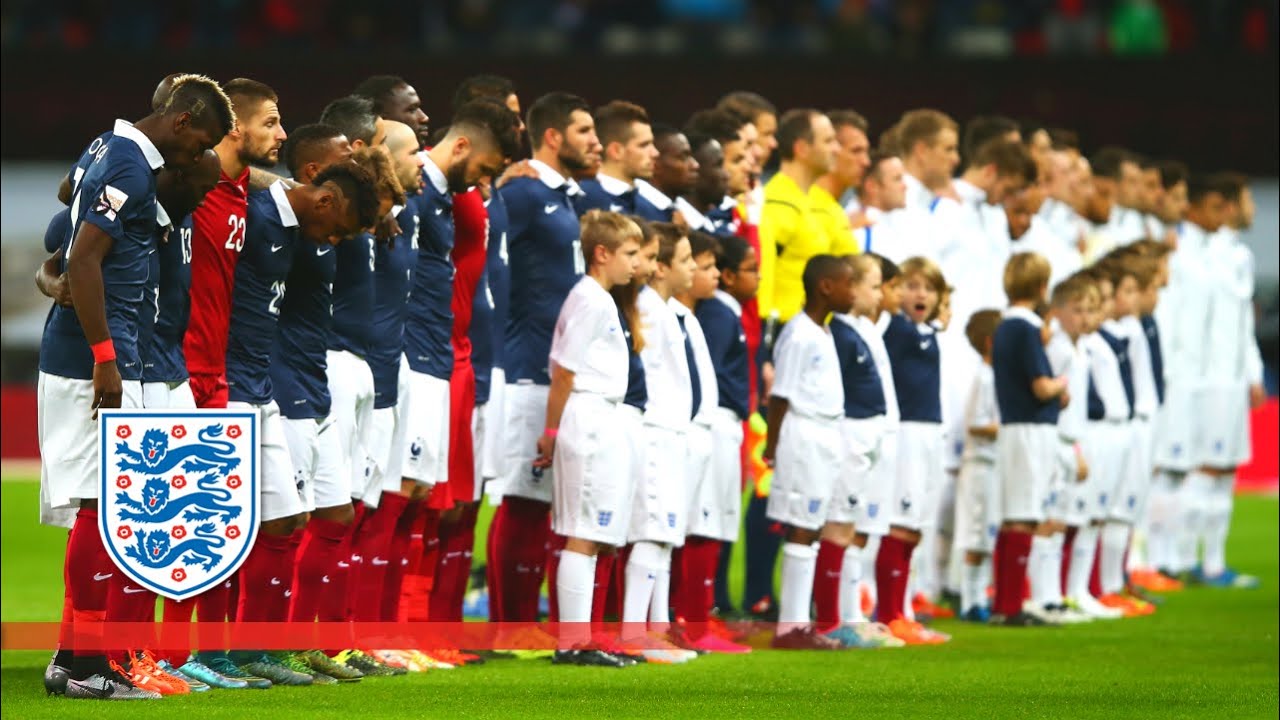
Watching them took me straight back to Wembley Stadium in November 2015, a few days after the Paris attacks. England were hosting France in a match that felt more like a shared moment of mourning and solidarity. The FA placed the full lyrics to La Marseillaise on the giant screens so the English crowd could join in properly, and for a brief spell the entire stadium seemed to forget about rivalries and history and simply sang. Hearing tens of thousands of English voices attempt French vowels with absolute sincerity was surprisingly moving, and it reminded me that a great anthem can create a sense of unity that nothing else quite manages.
The Beatles understood its power too
It has always fascinated me that The Beatles instinctively understood this power as well. When they opened All You Need Is Love in 1967 with the unmistakable first bars of La Marseillaise, they were deliberately tapping into its emotional weight. Those notes instantly signal a coming together of people, an appeal to something collective and hopeful, and the choice speaks volumes about how profoundly the anthem resonates beyond France.
Looking back to Strasbourg and the force of the words
The more I have heard it over the years, the more I find myself returning to the same slightly unreasonable question of whether La Marseillaise might actually be the greatest piece of music ever written. It has the sweep and drama of an opera, the straightforward melodic punch of a folk song, and the historical heft of a document written at a moment of extraordinary upheaval.
Part of its strength lies in the lyrics, which still feel startlingly direct. Claude Joseph Rouget de Lisle wrote them in 1792 in Strasbourg, a city shaped by centuries of conflict and identity struggles and only a short drive from Basel where I live. The tone makes perfect sense when you place it in that landscape.
The opening line of “Allons enfants de la patrie, le jour de gloire est arrivé,” does not waste a moment easing you in. It sets out an entirely new national mood with remarkable clarity. Rather than politely encouraging pride, it demands participation in history.
The next lines deepen the urgency. “Contre nous de la tyrannie, l’étendard sanglant est levé,” which is not the sort of language any anthem writer today would dare use, but in the fever of 1792 it carried a genuine sense of threat and defiance.
And then comes perhaps the most iconic moment in the whole piece of “Marchons, marchons, qu’un sang impur abreuve nos sillons,” It sounds ferocious when pulled out of context, yet in its original moment it captured the determination of a people who believed they were fighting for their very existence. Those repeated marchons feels like a collective heartbeat, an insistence on movement, unity and resolve.
Hearing it live at the 2024 Olympics
The best way to experience all of this, though, is live. We were fortunate enough to be in Nice during the summer of 2024 for an Olympic football match featuring the French men’s team, and hearing La Marseillaise rise through a sunlit stadium full of people who meant every syllable was unforgettable. For a moment the noise settled into a single voice carried by thousands, and even without understanding every word you understood exactly what it represented.
A two-century-old anthem that still feels alive
Perhaps this is why the question keeps returning. La Marseillaise is not a polite piece of music, nor is it content to serve as decorative national wallpaper. It is a declaration of identity and intent, shaped by history yet still somehow alive. There are many pieces of music I admire and many that move me, but very few manage to sound both timeless and urgent more than two centuries after they were written.
Is it the greatest piece of music ever written? The rational part of me hesitates, but whenever I hear those opening bars spill across a stadium or echo through a Strasbourg side street, and feel that unmistakable surge in my chest, I find myself leaning very firmly towards yes. Our maybe it just reminds me of France and fond childhood memories.
La Marseillaise
Allons enfants de la Patrie,
Le jour de gloire est arrivé.
Contre nous de la tyrannie,
L’étendard sanglant est levé.
L’étendard sanglant est levé.
Entendez-vous dans les campagnes
Mugir ces féroces soldats?
Ils viennent jusque dans vos bras
Égorger vos fils, vos compagnes!
Aux armes, citoyens!
Formez vos bataillons!
Marchons, marchons!
Qu’un sang impur
Abreuve nos sillons!
English Translation
Arise, children of the Fatherland,
The day of glory has arrived.
Against us, tyranny’s
Bloody banner is raised.
Bloody banner is raised.
Do you hear in the countryside
The roar of those fierce soldiers?
They are coming into your very homes
To cut the throats of your sons and wives!
To arms, citizens!
Form your battalions!
Let us march, let us march!
May impure blood
Water our fields!