Counting Crows, August and Everything After

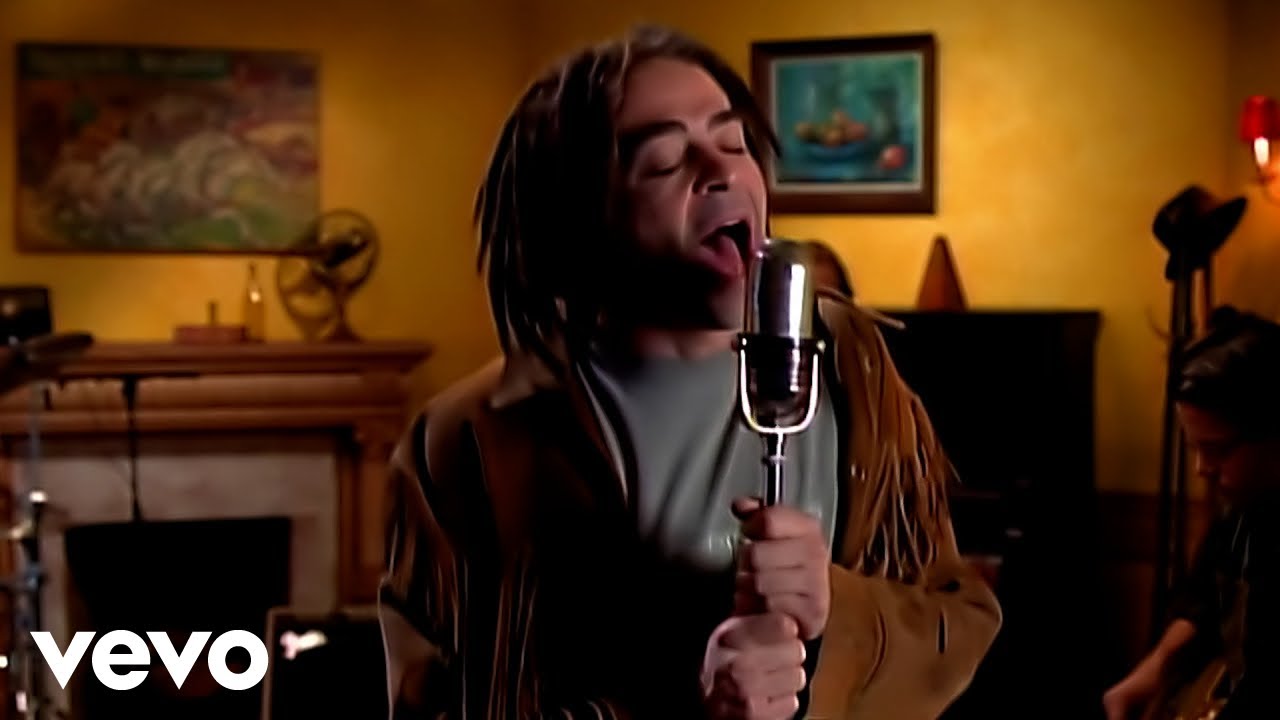

I first heard about Mr Jones from a friend called Andrea at university. We were all sitting around in their shared house, talking about nothing in particular, when she mentioned she was obsessed with a song called Mr Jones. I assumed she meant the old soul classic with “Me and Mrs Jones”. I nodded along like I knew exactly what she was on about. Of course I didn’t.
This was the early nineties, pre-Spotify, pre-Shazam, pre-anything useful, so it took a while before I actually heard the thing. A few weeks later I was in Paris, in a loud, slightly scruffy American bar just off the Champs-Élysées. I’m fairly sure it was the Chesterfield Café, the sort of place that attracted clusters of Americans studying abroad and Europeans pretending to be. I was interrailing with two English mates, and we’d fallen in with a group of American girls we’d met earlier that day.
Late in the night the DJ queued up Mr Jones and the entire bar detonated. Those “she-la-la-las” went up like a flare. Drinks in the air. Everyone belting every line. That was the moment the song clicked for me. It wasn’t just catchy. It was communal. It made strangers feel like conspirators.
Round Here and the poetry of melancholy
But the real magic, the reason August and Everything After sits firmly in the “perfect album” category, came when I finally listened to the whole record properly. Round Here was the giveaway. The lyrics landed like a punch and a poem at the same time. “Step out the front door like a ghost into the fog where no-one notices the contrast between white on white.” Maybe I was still suffering from late teenage angst (although I was barely in my 20s), but these lines, their melancholy, hit me like a brick. Adam Duritz was writing short stories, not singles.
Then came Perfect Blue Buildings, all fragile melancholy and small domestic sadnesses. Omaha with its warm, steady shuffle. Sullivan Street, which felt like the last walk home after a relationship you’re still pretending isn’t ending. These weren’t tracks. They were little films. Observational Americana with a painter’s eye. And running through the whole thing were echoes of Springsteen’s Nebraska, that same stripped-back storytelling, that sense of ordinary lives carrying extraordinary weight.
A masterpiece that only grows
What made August and Everything After a 10/10 album for me was how completely it held together. Not an ounce of fluff. No filler. Everything pointed in the same emotional direction. It was the first album I ever heard that felt like it had been lived, not just written.
I became a bit of a groupie after that. Saw them four times in London over the next few years, usually in rooms full of people who felt the songs as hard as I did. Once or twice I even ended up backstage, chatting with the band, but that’s a story for another time.
What I love most is that the album still works. Three decades on, it hasn’t lost any of its charge. If anything, it lands with an even deeper honesty. It’s not an album that ages; it’s one that accumulates meaning.
If Fire and Water was about stripped-back purity, August and Everything After is storytelling at full tilt. A proper masterpiece. The sort of album that appears once in a generation and refuses to let you forget it ever existed.